Future of Industrial Automation
- Archit Dosajh
- Oct 6
- 2 min read

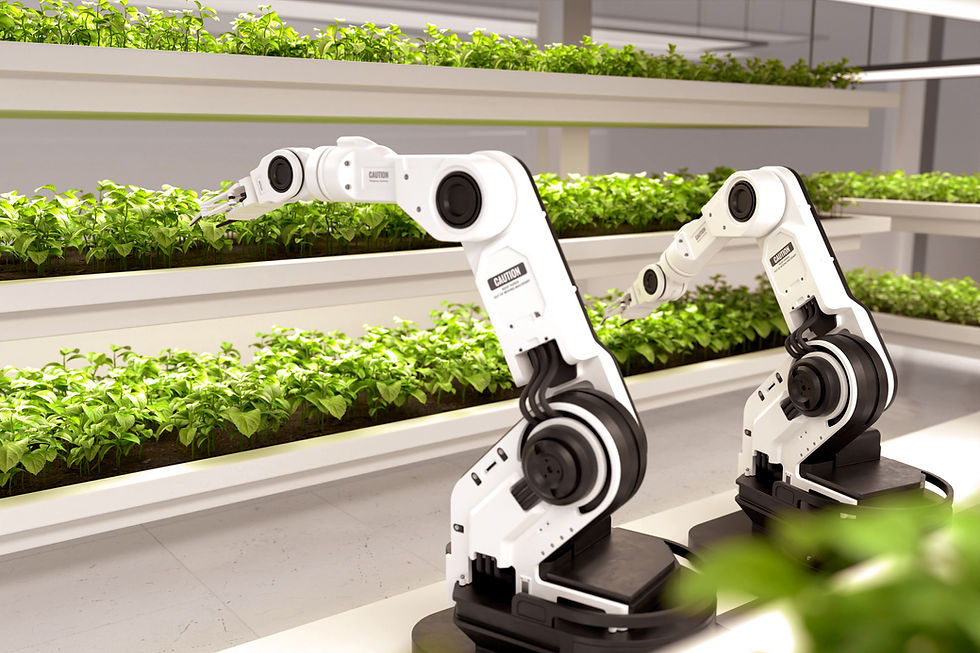
The future of industrial automation is poised for significant transformation driven by advancements in technology, changing market demands, and the need for increased efficiency and productivity. Here are several key trends and factors shaping the future landscape of industrial automation:
1. Integration of Artificial Intelligence and Machine Learning
The incorporation of AI and machine learning algorithms into industrial automation systems will enable smarter decision-making, predictive maintenance, and enhanced quality control. These technologies will analyze vast amounts of data to optimize processes and improve operational efficiency.
2. Internet of Things (IoT) and Connectivity
The proliferation of IoT devices will facilitate real-time monitoring and control of industrial processes. Enhanced connectivity will allow machines and systems to communicate seamlessly, leading to improved coordination and reduced downtime.
3. Advanced Robotics
Robots are becoming more sophisticated, with capabilities for greater precision, flexibility, and adaptability. Collaborative robots (cobots) will work alongside humans, taking on repetitive tasks while allowing human workers to focus on more complex and creative activities.
4. Digital Twin Technology
Digital twins—virtual replicas of physical systems—will enable companies to simulate, analyze, and optimize processes in a virtual environment. This technology will enhance predictive maintenance, reduce operational risks, and improve product design.
5. Enhanced Cybersecurity Measures
As industrial automation systems become more interconnected, the risk of cyber threats increases. Future developments will focus on strengthening cybersecurity protocols to protect sensitive data and maintain the integrity of automated systems.
6. Sustainability and Energy Efficiency
The push for sustainable practices will drive the adoption of energy-efficient technologies in industrial automation. Companies will invest in automation solutions that reduce waste, minimize energy consumption, and promote environmentally friendly operations.
7. Workforce Transformation
The future of industrial automation will also involve a shift in the workforce. While automation may displace some jobs, it will create new roles that require advanced technical skills. Training and reskilling initiatives will be essential to prepare the workforce for the evolving landscape.
8. Customization and Flexibility
As consumer demands shift towards personalized products, industrial automation will need to adapt. Flexible manufacturing systems that can quickly switch between different product lines will become increasingly important to meet market needs.
Conclusion
The future of industrial automation is bright, characterized by innovation and adaptability. As technology continues to advance, businesses that embrace these changes will likely see improved efficiency, reduced costs, and enhanced competitiveness in the global market. The integration of intelligent systems, sustainable practices, and a skilled workforce will be crucial in navigating this evolving landscape.

Comments